Milwaukee M18 vs DeWalt 20V vs Ryobi 18V Battery Train Horns
Milwaukee M18, DeWalt 20V MAX, and Ryobi 18V ONE+ battery train horns compared: voltage truth, runtime per Ah, full price matrix, and how to pick your platform.
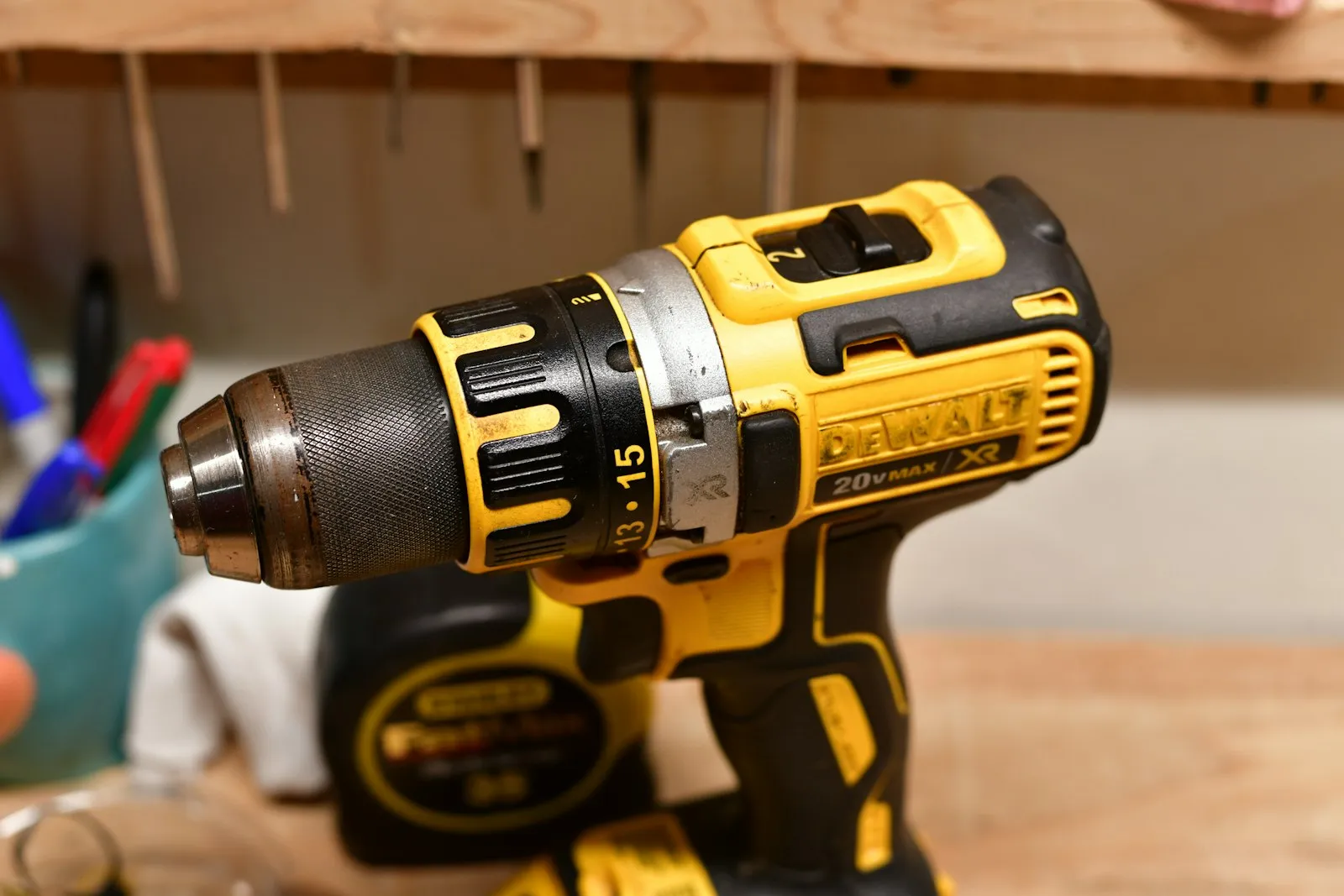
Shopping for a battery train horn when you already own Milwaukee® M18™, DeWalt® 20V MAX™, or Ryobi® 18V ONE+™ packs? Good news: the platform decision is simpler than the marketing makes it look, because the horns themselves are nearly identical.
The Short Answer: Same Horn, Different Battery Dock
Portable train horns built to run on cordless-tool batteries — BossHorn’s lineup is the best-documented example — use the same compressor, valve, and trumpet hardware across every platform version. Compare the published specs for the Quad model sold for Milwaukee® M18™ batteries against the same model for DeWalt® 20V MAX™ batteries and they match line for line:
- Trumpets
- 4x powder-coated aluminum (14” + 12” + 8” + 5”)
- Advertised output
- Up to 140 dB, 3 volume levels
- Runtime
- 500+ short blasts on a 6Ah pack
- Remote
- 160 ft standard, 2,000 ft optional (+$59)
- Weight
- 4 lb without battery
- Warranty
- 1 year
The only thing that changes between the Milwaukee-compatible, DeWalt-compatible, and Ryobi-compatible versions is the battery dock molded into the base. Same trumpets, same advertised decibels, same blast count. That means this comparison isn’t really about horns at all — it’s about which battery packs are already sitting in your garage.
We link to our hands-on reviews of all three platform versions at the bottom of this page: the M18-compatible quad, the DeWalt 20V-compatible quad, and the Ryobi 18V-compatible quad.
Voltage: All Three Platforms Are 18 Volts Nominal
Here’s the fact that settles most forum arguments: there is no voltage difference between these three platforms. DeWalt’s own fine print says it plainly — maximum initial battery voltage, measured without a workload, is 20 volts; nominal voltage is 18. Milwaukee’s M18™ packs are sold as 18-volt lithium-ion. Ryobi’s ONE+™ system is 18 volts by name.
All three feed the horn’s compressor the same nominal 18 volts, so the motor spins at the same speed, the tank fills in the same time, and the trumpets hit the same advertised decibel number. A “20V” badge on the pack does not buy you a louder honk.
- Milwaukee® M18™ — 18V nominal
- DeWalt® 20V MAX™ — 18V nominal (20V is the no-load peak)
- Ryobi® 18V ONE+™ — 18V nominal
If you want the deeper physics of why an 18V compressor-and-tank horn behaves the way it does, our air-tank vs battery-powered train horn comparison breaks down the whole architecture.
Capacity and Runtime: Amp-Hours Are the Real Variable
Since voltage is a wash, the battery spec that actually matters is capacity. BossHorn rates its horns for packs from 2.0Ah up to 12.0Ah on each platform, and quotes the same runtime on all of them: 500+ short blasts or roughly 200 sustained two-second blasts on a 6Ah battery.
Capacity scales runtime, not loudness. A 12Ah pack gives you roughly double the blasts of a 6Ah pack; it does not add a single decibel. All three platforms sell high-capacity packs — Milwaukee’s HIGH OUTPUT™ HD12.0, for example, is a 12.0Ah 18-volt pack — so no platform runs out of headroom for a device that sips air-compressor duty in short bursts.
Two practical notes from the spec sheets:
- No battery is included with any platform version. If you don’t already own packs, add the cost of a battery and charger to the horn price.
- Aftermarket packs are accepted. BossHorn states the horns run on any M18™-compatible or 20V MAX™-compatible battery, OEM or aftermarket.
Price: What Each Platform Version Costs
Pricing across the three platforms is nearly flat, per BossHorn’s catalog as of this writing (08/09/2026):
| Model tier | Advertised dB | Milwaukee® M18™ | DeWalt® 20V MAX™ | Ryobi® 18V ONE+™ |
|---|---|---|---|---|
| Dual (2 trumpets) | up to 130 dB | $160 | $160 | $160 |
| Quad (4 trumpets) | up to 140 dB | $215 | $215 | $215 |
| 5-Trumpet | up to 145 dB | $270 | $270 | not listed |
| Extreme (4 trumpets) | up to 150 dB | $300 | $300 | $300 |
| Boss Series (4 trumpets) | up to 150 dB | $365 | $385 | $385 |
Only two wrinkles break the symmetry: the 5-trumpet model isn’t currently listed in a Ryobi-compatible version, and the flagship Boss Series runs $20 cheaper in its Milwaukee-compatible version than the DeWalt- and Ryobi-compatible ones. Everything else is identical money for identical hardware.
Remember these are manufacturer-advertised decibel figures measured close to the horn. Real-world numbers at distance are always lower — our guide to advertised vs real-world decibels explains the gap.
How to Actually Choose a Platform
Because the horn hardware is identical, the decision tree is short:
- You already own packs on one platform — buy that version. Done. This covers most buyers.
- You own packs on two of the three — pick whichever platform has your highest-capacity pack, since Ah is the only spec that changes runtime.
- You own no packs — price a battery and charger into the total on each platform before comparing, and note the Ryobi-compatible line currently skips the 5-trumpet tier.
- It’s a gift — find out what cordless tools the recipient owns before ordering. The dock is platform-specific; an M18™ horn will not accept a 20V MAX™ pack.
One more escape hatch: if none of the big three fits, the same horn tiers are sold in versions for Makita®, Ridgid®, Bauer®, Craftsman®, Bosch®, Hart®, and other battery platforms at the same price points, per BossHorn’s catalog.
What a Battery Horn Gives Up vs an Installed Air System
A platform-locked shopper should still know what this category is and isn’t. A battery train horn is a self-contained, grab-and-go device: no drilling, no air lines, no wiring, and you can carry it to a tailgate or a boat. The trade-off is that a handheld 4 lb unit with short trumpets can’t match the acoustic authority of a truck-mounted kit with a multi-gallon tank and full-length horns — and its small onboard reservoir favors short blasts over long sustained pulls, similar to the trade-offs in tankless train horn kits.
It still buries any stock electric horn — see our train horn vs electric horn comparison for that matchup. And the usual caution applies: at an advertised 130–150 dB, these are hearing-damage loud at close range, and using any train horn as a vehicle horn on public roads is restricted in most states. Treat it as an event, marine-backup, and property-defense noisemaker, and check your local rules first.
Keep reading
- Air-tank vs battery-powered train horns: the full architecture comparison
- Tankless train horns explained: no-tank vs onboard-air kits
- Train horn vs electric horn: why real air always wins
- BossHorn Milwaukee M18 Quad Train Horn review
- BossHorn Ryobi Quad Train Horn 18V review
Sources
- BossHorn — Quad Train Horn for Milwaukee 18v Battery — quad specs: $215 price, up to 140 dB, 3 volume levels, trumpet sizes (14”/12”/8”/5”), 2.0–12.0Ah M18 compatibility incl. aftermarket packs, 500+ short / 200 sustained blasts on 6Ah, 160 ft remote (2,000 ft optional +$59), 4 lb weight, 1-year warranty, battery not included
- BossHorn — Quad Train Horn for DeWalt 20v Battery — identical quad specs for the DeWalt-compatible version; “All 20V MAX: 2.0–12.0Ah” compatibility statement
- BossHorn — full catalog — price/dB/trumpet-count matrix across Milwaukee, DeWalt, Ryobi, Makita, Ridgid, Bauer, Craftsman, Bosch, Hart and other platform versions ($160 dual / $215 quad / $270 5-trumpet / $300 Extreme / $365–$385 Boss Series)
- DEWALT — 20V MAX System — official disclaimer: “Maximum initial battery voltage (measured without a workload) is 20 volts. Nominal voltage is 18.”
- Milwaukee Tool — M18 REDLITHIUM HIGH OUTPUT HD12.0 Battery Pack (48-11-1812) — M18 is an 18-volt lithium-ion system; 12.0Ah pack availability
- RYOBI — 18V ONE+ System — ONE+ is an 18-volt system with interchangeable batteries across 300+ products
Frequently asked questions
Quick answers to the questions people ask most about this topic.
- Is a DeWalt 20V train horn louder than a Milwaukee M18 one?
- No. DeWalt's 20V MAX packs are 18 volts nominal per DeWalt's own disclaimer — 20V is only the no-load peak. All three platforms feed the horn the same nominal 18 volts, so the same horn model carries the same advertised dB rating on every platform.
- How many blasts does a battery train horn get per charge?
- BossHorn rates its quad models at 500+ short blasts or roughly 200 sustained two-second blasts on a 6Ah pack, and the figure is the same for the Milwaukee-, DeWalt-, and Ryobi-compatible versions. Higher-Ah packs scale that count up proportionally.
- Do battery train horns come with the battery included?
- No — every platform version ships without a battery or charger. They accept packs from 2.0Ah to 12.0Ah, including aftermarket-compatible batteries, so you're expected to use the packs you already own.
- Which battery platform is cheapest for a train horn?
- Pricing is nearly identical: $160 for dual, $215 for quad, and $300 for Extreme models on all three platforms. The only differences are the flagship Boss Series ($365 Milwaukee-compatible vs $385 DeWalt/Ryobi) and no 5-trumpet model currently listed for Ryobi.
- Can I use an aftermarket battery in a battery-powered train horn?
- Yes. BossHorn states its horns run on any compatible pack, OEM or aftermarket, on each platform — for example any M18-compatible or 20V MAX-compatible battery from 2.0Ah to 12.0Ah.
Related reviews & guides
BossHorn Boss Series Train Horn for Milwaukee M18 Battery Review

BossHorn 5-Trumpet Train Horn for DeWalt 20V Battery Review
BossHorn Dual Train Horn for Ryobi 18V Battery Review (2026)
BossHorn Extreme Series Train Horn for DeWalt 20V Battery Review
BossHorn Dual Train Horn for Milwaukee® 18v Battery Review (2026)