Train Horn vs Electric Horn: Why Real Air Always Wins
Electric "train horns" promise 150 dB from a 12V snail horn or speaker. Real numbers: stock electric horns hit 107-112 dB while air train horns verify 130+.
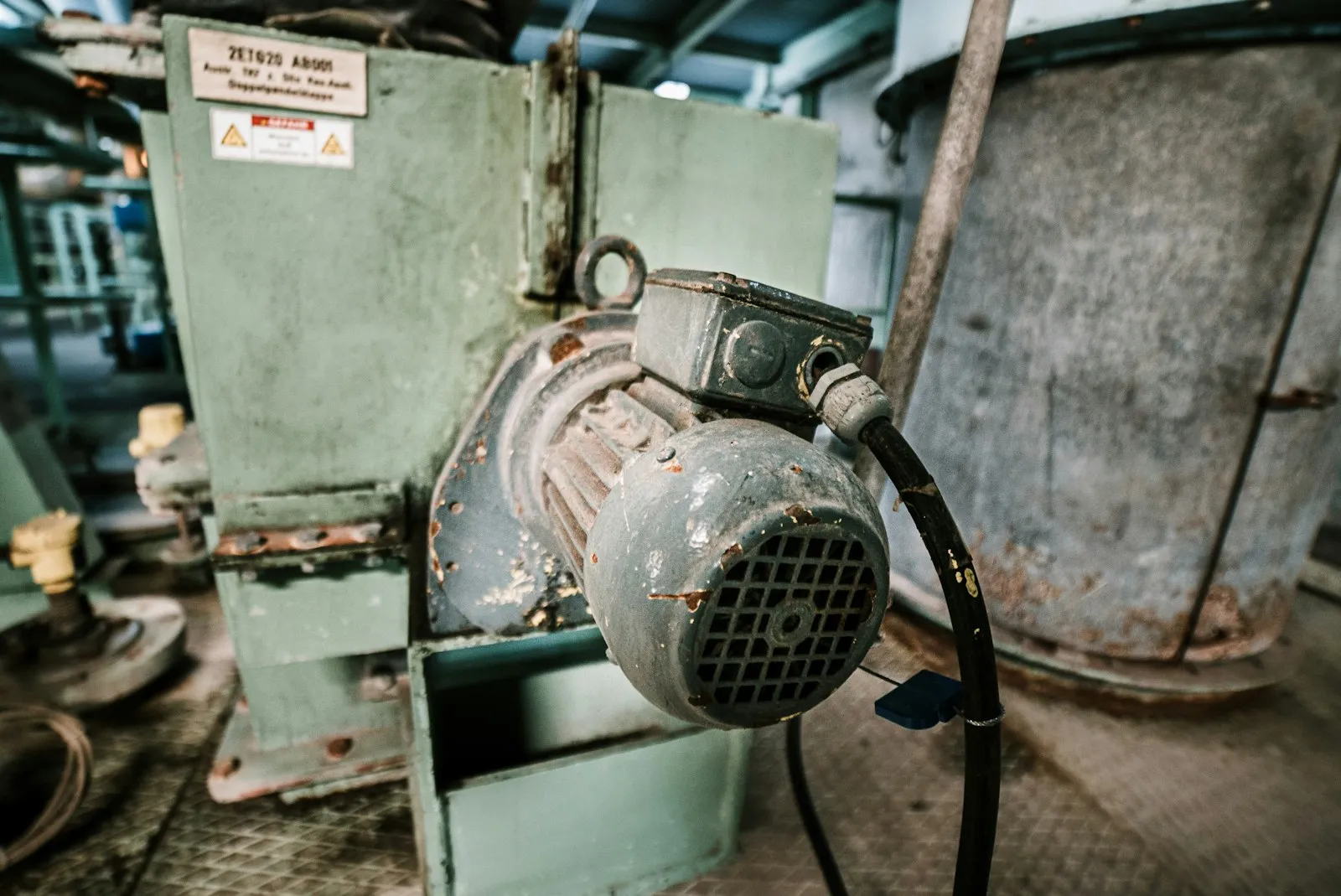
Search Amazon for “train horn” and half the results are 12-volt electric horns claiming 150 dB — no tank, no compressor, ten-minute install. This guide breaks down the train horn vs electric horn question with real physics and verified numbers, so you know exactly what a speaker or snail horn can and can’t do before you spend money on one.
What “Electric Horn” Actually Means
An electric horn is the thing already bolted behind your grille. Per Wikipedia’s engineering breakdown, it works with a flat circular steel diaphragm, an electromagnet pulling it one way, and a spring pulling it back. A set of contact points interrupts the current hundreds of times per second, so the diaphragm buzzes rapidly and the housing shapes that buzz into a tone. The whole unit draws only about 2.5 to 6 amps.
They come in two familiar shapes:
- Snail (spiral) horns — the classic coiled shape, typically 107–109 dB, with note pairs around 500 Hz and 405–420 Hz
- Disc (flat diaphragm) horns — the compact pancake style, typically 109–112 dB, tuned around 340–440 Hz
- Speaker-type “electronic train horns” — a loudspeaker driver playing a horn-like sound, wired straight to 12V with no air system at all
That last category is the one flooding marketplaces. The listings borrow the words “train horn,” but mechanically they have nothing in common with one.
How a Real Train Horn Makes Sound
A genuine train horn is an air horn: compressed air stored in a tank rushes past a diaphragm (or through a power chamber) and down a long flared trumpet, which couples that energy into the open air. Real train horns use three to five trumpets tuned to different notes, so you hear a chord — the harmonically rich sound every driver instinctively recognizes as “get out of the way.”
The verified numbers are on a different planet from any 12-volt electric unit. According to HornBlasters’ decibel-testing page, the Nathan AirChime K5 — an authentic locomotive horn — measured 149.4 dB at 3 feet, the loudest horn they’ve ever tested, and their consumer train horn kits measure 130+ dB with disclosed test conditions. For reference, actual locomotives are federally regulated to produce between 96 and 110 dB measured 100 feet in front of the train — and it takes a horn in the ~150 dB class up close to deliver that at distance.
If you want the deeper mechanical explanation, our guide on how train horns work walks through the diaphragm, back cap, and trumpet in detail.
The Numbers Side by Side
| Horn type | Typical output | Tone character | Power source |
|---|---|---|---|
| Stock snail horn | 107–109 dB | Single/dual note, ~405–500 Hz | 12V, 5–6 A |
| Stock disc horn | 109–112 dB | Dual note, ~340–440 Hz | 12V, 2.5–5 A |
| Truck/bus air horn | ~117–118 dB | Single deep note | Compressed air |
| Aftermarket train horn kit | 130+ dB (verified) | Multi-note chord | Compressed air (tank + compressor) |
| Nathan AirChime K5 (locomotive) | 149.4 dB at 3 ft | 5-note chord | Locomotive air supply |
Remember that decibels are logarithmic: every 10 dB increase reads to the human ear as roughly twice as loud. The jump from a 110 dB electric horn to a 130 dB air kit isn’t “a bit louder” — it’s on the order of four times louder to your ear. Our decibels explained guide unpacks the scale in detail.
The “150 dB Electric Horn” Problem
Here’s a real example: a 12-volt electric horn currently sold on Amazon titled “150DB Train horns for Truck, Super Loud 12V Electric Horn.” It’s a snail-style electromagnet horn — the same basic device as your stock horn — wearing a decibel claim above what HornBlasters measured from an actual five-chime locomotive horn.
HornBlasters’ page on fake decibel ratings explains how these numbers happen:
- Measuring at the bell opening — or inside the bell — where sound pressure peaks, instead of at a standard distance
- Using uncalibrated consumer sound meters or phone apps
- Reporting a momentary peak spike rather than sustained output
- Simply inventing the number with no test at all
The same page notes the physical reality check: sustained sound in the 150–160 dB range causes immediate hearing damage, and 194 dB is the theoretical ceiling for sound pressure in Earth’s atmosphere. A sealed plastic horn drawing a few amps from your fuse box is not flirting with those limits. We cover the measurement games in depth in our guide to advertised vs real-world train horn decibels.
Why Electric Horns Sound Thin
Even ignoring peak volume, an electric horn can’t fake the character of real air, for three physical reasons.
Moved air. Loudness at the source comes from how much air the sound-maker can displace. A steel diaphragm the size of a drink coaster, buzzing on an electromagnet, moves a tiny air mass. A train horn dumps tank pressure through a trumpet over a foot long — the entire air column in the horn becomes the radiator. That’s why the gap between the two families shows up in every honest measurement.
Frequency. Electric car horns live in the 340–500 Hz band. Big air horns sit lower — heavy-truck air horns run in the roughly 125–180 Hz range, below any automobile horn. Deep frequencies are what make a horn feel physically big, and they hold up better over distance, which is why a real horn announces itself blocks away (see how far a train horn carries). A speaker unit replaying a “train sound” through a small driver simply can’t reproduce that low-end energy at meaningful volume.
The chord. A train horn’s authority comes from multiple tuned trumpets sounding at once. One buzzing diaphragm produces one note; even dual-note stock setups sound like a car, because they are one. This is the same reason a single big air trumpet still doesn’t sound like a train — a distinction we break down in train horn vs air horn.
Where Electric Horns Actually Make Sense
None of this makes electric horns junk — it makes them a different tool.
- Upgrading a weak stock horn to a louder dual-horn set with a 10-minute plug-in install
- Motorcycles and small cars with no room for a tank and compressor
- Staying close to stock output where local noise ordinances are strict
- Budget: quality electric horns cost a fraction of a full air system
One important distinction: don’t confuse “electric train horn” with battery-powered train horns. Portable units built around cordless-tool batteries are real air horns — the battery just runs a compressor that feeds actual trumpets. They’re a legitimate middle path between a stock horn swap and a full onboard install, and our air-tank vs battery-powered comparison covers when each makes sense.
The Bottom Line
- Electric horns top out around 107–112 dB stock — genuinely useful, never train-like
- Any 12V electric horn advertising 150 dB is using a number physics doesn’t support; the loudest verified horn (a real locomotive K5) hit 149.4 dB at 3 ft
- The train sound requires compressed air, tuned trumpets, and low-frequency chords — there is no speaker shortcut
- If you want real air without permanent install, battery-powered air kits exist; if you want the real thing on a truck, budget for a tank-and-compressor kit
Keep reading
- Train Horn vs Air Horn: Are They Actually Different?
- Air-Tank vs Battery-Powered Train Horns Compared
- Advertised vs Real-World Decibels: Why “150 dB” Horns Aren’t
- Decibels Explained: How Loud Is 150 dB Really?
- How Far Away Can You Hear a Train Horn? The Real Numbers
Sources
- Vehicle horn — Wikipedia — electric horn mechanism (electromagnet, diaphragm, contacts), stock horn output (107–112 dB), horn frequencies (340–500 Hz car / 125–180 Hz heavy-truck air horns), truck air horn levels (~117–118 dB), current draw (2.5–6 A), and the 96–110 dB at 100 ft locomotive horn regulation
- Train Horn Decibels Explained: Why Fake Ratings Mislead Buyers — HornBlasters — Nathan AirChime K5 at 149.4 dB at 3 ft, 130+ dB verified kit measurements, how fake ratings are produced, 194 dB atmospheric limit, hearing-damage threshold
- Types of Vehicle Horns: Electric vs Air, Train & Marine — HornBlasters — category definitions: air horns vibrate a diaphragm with compressed air; train horns are multi-note air horns producing a chord
- Nathan AirChime K5LA, 5 Trumpets — Amazon — confirms the K5 is a five-trumpet (five-chime) locomotive horn
- AOLIHAN 150DB Train Horns for Truck, 12V Electric Horn — Amazon — real example of a 12V snail-style electric horn marketed as a “150DB train horn”
Frequently asked questions
Quick answers to the questions people ask most about this topic.
- Are electric train horns as loud as real air train horns?
- No. Electric electromagnet horns typically produce 107-112 dB, while quality compressed-air train horn kits measure 130+ dB in verified testing. Because decibels are logarithmic, that gap sounds roughly four times louder to the human ear.
- Is a 150 dB electric horn on Amazon real?
- No. The loudest horn HornBlasters has ever verified is a genuine Nathan AirChime K5 locomotive horn at 149.4 dB measured at 3 feet. A 12V electric horn claiming 150 dB is using an inflated number produced by measuring at the bell opening, quoting peak spikes, or simply inventing the figure.
- What is the difference between an electric horn and an air horn?
- An electric horn vibrates a steel diaphragm with an electromagnet and interrupter contacts, running on 12V power alone. An air horn forces compressed air from a tank past a diaphragm and through a flared trumpet, which is why it requires a compressor and air tank but produces far more sound.
- Do electronic train horn speakers sound like a real train?
- Not convincingly. A real train horn produces a rich multi-note chord driven by compressed air, while small speaker drivers and electric horns operate around 340-500 Hz and cannot move enough air to match it. The result reads as a loud car horn, not a locomotive.
- Are battery-powered train horns also fake?
- No — they are real air horns. Portable battery-powered units use a cordless-tool battery to run an onboard compressor that feeds actual tuned trumpets, so they are compressed-air horns, unlike 12V electric or speaker-based products.
Related reviews & guides

CO2 Tank vs Air Compressor for Train Horns: Which Wins?
HornBlasters vs Vixen Horns: Turnkey Kits vs Budget Trumpets

Manifold vs Individual-Bell Train Horns: Fitment, Sound & Plumbing

Train Horn Trumpet Material: ABS vs Aluminum vs Zinc vs Brass

Nathan vs Leslie Train Horns: Which Locomotive Horn Sounds Better?